





Mood Disorders
Latest News
Advertisement
Latest Videos




Shorts
1:33
A Pillar Approach to Prescribing in Depression
5 months ago
by
Roger S. McIntyre, MD, FRCPC(+1 more)
1:56
Anhedonia as Transdiagnostic & Multidimensional
5 months ago
by
John J. Miller, MD(+1 more)
1:18
Asking Questions About Irritability in Mood Disorders
5 months ago
by
Maurizio Fava, MD
1:35
Psychedelics as Disease-Modifying Therapy
5 months ago
by
John J. Miller, MD
2:21
Antidepressants in 3rd Trimester Pregnancy
6 months ago
by
Marlene P. Freeman, MD

1:33
Risks of Untreated Mental Illness During Pregnancy
6 months ago
by
Marlene P. Freeman, MD
1:34
Deprescribing and Assessing Pharmacology Over Time
7 months ago
by
Joseph F. Goldberg, MD
CME Content


Advertisement
More News

FDA feedback for CYC-126: anesthetic therapy with live EEG guidance aims to deliver precise relief for treatment-resistant depression.

How social media algorithms push violent clips, fueling desensitization, irritability, and compulsive scrolling—plus practical screening and treatment tips for clinicians.

New research highlights psilocybin's potential in treating treatment-resistant OCD, while cannabinoids show little evidence of efficacy.

Explore the unique mood-stabilizing properties of antiepileptics like lamotrigine, valproic acid, and carbamazepine in bipolar disorder treatment.
Valproate's role in treating bipolar disorder is questioned as evidence suggests better alternatives exist for managing acute mania and maintenance.
Explore the intersection of psychotherapy and pharmacology in treating mood disorders, emphasizing personalized approaches for optimal patient outcomes.

Tina Matthews-Hayes, DNP, CRNP, FNP-BC, discusses the importance of a therapeutic alliance with her patient with bipolar disorder.
Synendos Therapeutics reveals promising phase 1 results for SYT-510, a novel ECS modulator targeting anxiety and CNS disorders with potential for improved patient outcomes.

In clinical practice, there are individuals who have chronic low-grade hypomanic symptoms: high energy, need for less sleep than others, chronic optimism, and chronic risk-taking.

Chatbots engage youth with connection but pose serious risks, potentially harming mental health and fostering unhealthy attachments. Awareness and regulation are crucial.

New research reveals ART12.11, a cannabidiol:tetramethylpyrazine cocrystal, significantly enhances mood regulation, outperforming traditional cannabidiol in treating mood and anxiety disorders.

Explore the complex interplay of genetics, environment, concussion, substance abuse, and inflammation in severe mental illnesses, revealing critical insights for prevention and treatment.

OpenAI acknowledges ChatGPT's risks to psychiatric patients and commits to improving safety measures, but skepticism about their sincerity remains.

Antidepressant treatment for late-life depression enhances cognitive functions like memory and learning, linking symptom relief to cognitive improvement.

AI chatbots pose significant mental health risks, often exacerbating issues like suicide, self-harm, and delusions, highlighting urgent regulatory needs.

Dysphoric milk ejection reflex (D-MER) causes brief emotional distress during breastfeeding, often misdiagnosed as postpartum depression, requiring better awareness and support.

Research reveals significant risks of neonatal complications linked to in utero valproic acid exposure, emphasizing the need for careful management during pregnancy.

Valproic acid poses significant risks during pregnancy, including congenital malformations and neurodevelopmental disorders, necessitating careful treatment planning.

A groundbreaking study links antibiotic exposure to increased depression risk in adolescents, highlighting urinary analysis as a potential screening tool.

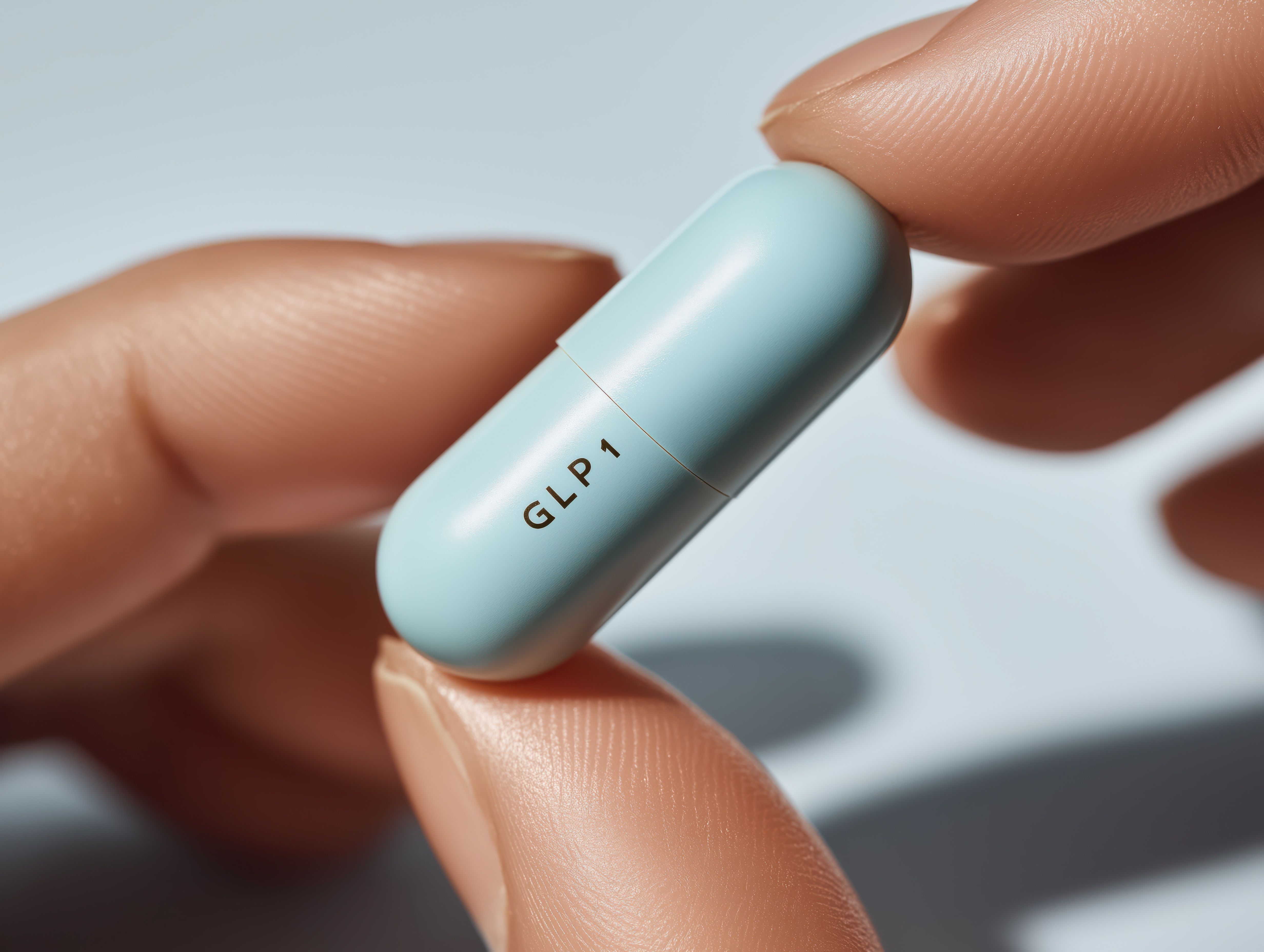
GLP-1 receptor agonists emerge as potential game-changers in psychiatric treatment, targeting mental disorders and improving cognitive function.
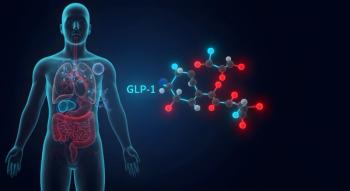
Roger S. McIntyre, MD, FRCPC, shares the backstory and pharmacology of incretins to better understand the role of GLP-1 RAs in psychiatry.

NRx Pharmaceuticals advances NRX-100, a preservative-free ketamine, through a fast-tracked FDA review for treating suicidal depression and PTSD.

New research reveals the complex relationship between ADHD and bipolar disorder, highlighting genetic overlaps and treatment considerations for effective management.

Our Mood Disorders Section Editor shares what treatments in the pipeline he is most excited about, including kappa opioid receptor antagonists.

Our Mood Disorders Section Editor shares his thoughts on this year's biggest clinical trial successes and failures.
Advertisement
Advertisement
Trending on Psychiatric Times
1
The Psych Consult: TSH Testing in New-Onset Depression. An Endocrinologist’s Guidance for Psychiatrists
2
ADHD Medications for Managing Menopausal Brain Fog: Improvements in Subjective Executive Function
3
New Phase 2 Data on Bezisterim for the Treatment of Long COVID
4
When Antidepressants Stop Working: Understanding Tachyphylaxis in Clinical Practice
5