






Suicide
Latest News
Advertisement
Latest Videos








Shorts
Podcasts




CME Content





Advertisement
More News

In this CME article, explore a 4-stage framework that detects suicide risk without ideation disclosure, guiding clinicians to spot crisis signs and act fast.

Four fathers share real-time signs of suicide crisis syndrome—insomnia, agitation, withdrawal—showing why standard screening misses imminent danger.

How antidepressant myths can raise suicide risk—and what evidence-based prescribing, tapering, and crisis supports really look like.

FDA clears MIND1 trial testing NRX-101 plus robotic TMS to curb suicidality in treatment-resistant depression, with military-focused sites.

AFSP and JED plan a 2026 merger to form the largest US suicide prevention nonprofit, uniting research, youth mental health programs, advocacy, and community support.

Deep intracranial frequency stimulation 77.5 Hz high-gamma approach was associated with statistically significant reductions in self-injury behaviors and depressive symptoms in female adolescents with nonsuicidal self-injury.

Should Accrediting Bodies Require AI for Suicide Risk Stratification in Emergency Settings? A Debate
Should hospitals be required to integrate AI-driven risk stratification into emergency department workflows to maintain accreditation? Join the debate.

As Canada approaches the planned implementation of their medical euthanasia program for patients with sole psychiatric illnesses, these authors make an argument as to why euthanasia should remain closed to patients with psychiatric disorders.

What are the cultural, religious, philosophical, and psychological factors that differentiate Eastern and Western values regarding assisted suicide and euthanasia?

Resort thrillers glamorize hotel killings, but data reveals a quieter risk: planned suicides by local guests—and warning signs clinicians can spot.

Dutch psychiatric euthanasia cases surge among young adults, sparking debate over irremediability, activism, and suicide contagion risks.

New RCT shows DBT cuts suicidal crises and self-harm in borderline personality disorder more than SSRIs, though benefits fade after treatment.

Active Minds is pushing for 988 Lifeline information to be shared on student IDs, boosting crisis access and youth-led policy action to curb suicide and reshape campus support.

Reality TV shows therapy and diagnoses as entertainment—raising stigma, misinformation, and suicide concerns. Get guidance for clinician-patient talks.

Congress backs printing 988 on student ID cards, boosting youth crisis access and funding.

A clinician shares her journey as a 3-time suicide survivor, advocating for vulnerability and compassion in mental health care.
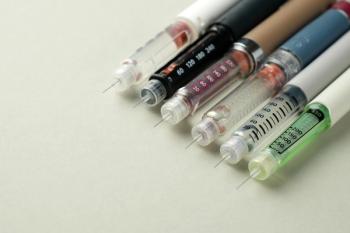
FDA removes suicidal ideation warnings from GLP-1 RA medications, highlighting their potential benefits in weight loss and mental health treatment.

Emergency departments face challenges in detecting suicidality among trauma patients, highlighting the need for effective screening and intervention strategies.
AFSP's new CAPS program empowers health care professionals with essential skills to identify and support patients at risk for suicide effectively.

In this CME article, explore effective strategies for assessing and preventing suicide risk in patients with bipolar disorder, including interdisciplinary approaches and evidence-based interventions.
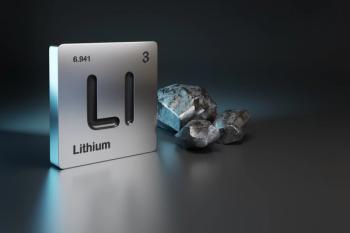
Lithium significantly reduces suicidal ideation and attempts in bipolar and major depressive disorder patients, enhancing long-term treatment outcomes.

Chatbots risk validating suicidal thoughts, highlighting the urgent need for ethical programming to prioritize user safety and human connection.

Veterans face significant PTSD challenges, with tailored treatments and ongoing research essential for improving their mental health outcomes.

The 2026 NCCHC Standards revolutionize mental health care in correctional facilities, emphasizing ethical practices, interdisciplinary collaboration, and patient dignity.

Advertisement
Advertisement
Trending on Psychiatric Times
1
The Postmodern Worldview and Contemporary Psychiatry
2
New 52-Week Topline Open-Label Data from Phase 3 COMP005 Trial: The Power of Another COMP360 Dose
3
DT120 (Lysergide) ODT Receives Breakthrough Therapy Designation for Treatment of MDD
4
New Phase 3 Data on Oveporexton for Narcolepsy Type 1
5