
Explore APA sessions on recruiting and retaining psychiatry faculty, assessing intimate partner violence risk, and building leadership skills.
Explore APA sessions on recruiting and retaining psychiatry faculty, assessing intimate partner violence risk, and building leadership skills.
Planning for prevention of perinatal psychiatric relapse with safer medication options.
At APA, Helen Lavretsky spotlights mentorship, trainee research, and integrative mind-body tools to boost resilience and brain health.
Computational phenotyping reveals prodromal psychosis clues, connects biomarkers to symptoms, and shows why stress and cannabis reduction matters.
Discover APA sessions on OCD therapies, gut-brain microbiome insights, AI, sports psychiatry, and geriatric updates from top clinicians.

Psychiatry faces surging stress-driven illness as psychedelics, lifestyle medicine, and biomarkers reshape precision diagnosis and care.
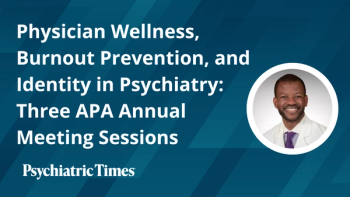
APA meeting sessions spotlight how psychiatrists protect wellbeing, embrace creativity, and confront structural racism.

Learn how common late-life mental illness is, and what new treatments mean for geriatric care.
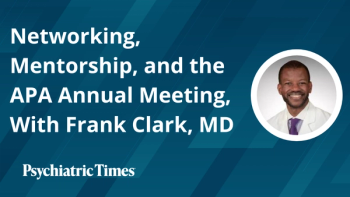
Learn how to navigate APA 2026 with intention—spark collaborations, find mentors, and turn overwhelming sessions into lasting professional connections.
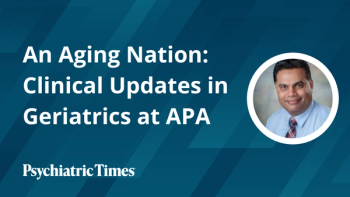
Rajesh Tampi, MD, previews APA talks on geriatric psychiatry.

Discover how art, film, and poetry return to the APA meeting—and why psychiatrists practice creativity in every patient encounter.

Let's explore the importance of social relationships in psychiatry.

Preview APA meeting highlights: Steven Sharfstein’s humanitarian award, managed care lessons, and restoring balance beyond “bio-bio-bio” psychiatry.
Discover key insights from the APA Annual Meeting, highlighting advancements in lifestyle psychiatry, ADHD treatment, and innovative suicide prevention models.

How do psychiatrists feel about the current polycrises? “Overwhelmed.”
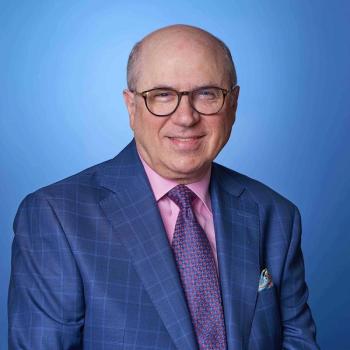
Vincenzo Di Nicola discusses the importance of pluralism in social psychiatry and the need for culturally relevant psychotherapy at the 2025 APA Annual Meeting.
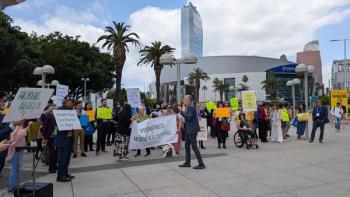
Psychiatrists united in Los Angeles for a rally, advocating for mental health funding amidst growing concerns over service cuts and societal challenges.
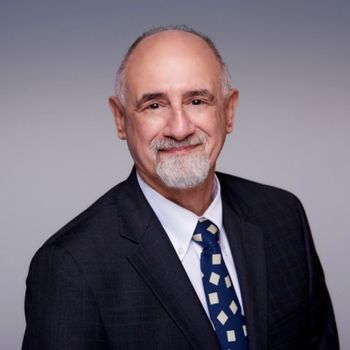
Phillip R. Muskin, MD, discusses the complexities of prescribing antipsychotics, emphasizing patient collaboration and the importance of evaluating treatment strategies.
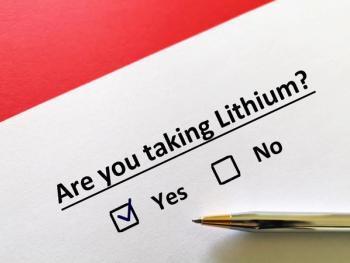
Take a look at innovative GSK-3β inhibitors to enhance efficacy and reduce adverse effects seen in lithium with Jonathan M. Meyer, MD, DLFAPA, at the 2025 APA Annual Meeting.

How many apps do you use on your phone? John Luo, MD, a technology expert shares his thoughts on their usefulness at the 2025 APA Annual Meeting.
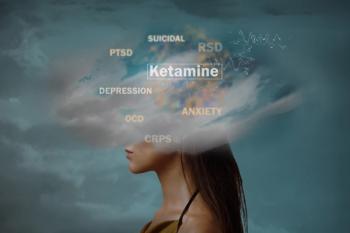
Ketamine-assisted psychotherapy: enhancing healing through emotional support and insight-driven therapy for depression.

Psychiatry must embrace media to combat misinformation, shared Mena Mirhom, MD, FAPA, at the 2025 APA Annual Meeting.

Will AI replace psychiatrists and mental health clinicians? John Luo, MD, thinks not, despite the many technological advances of today.
Badr Ratnakaran, MBBs, highlights the rising stressors for older adults, emphasizing the urgent need for improved health care and support systems.
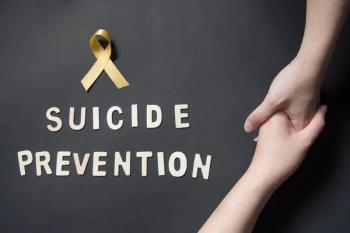
Fathers share their heartbreaking stories of loss and advocate for a new model of suicide prevention that emphasizes early intervention and awareness at the 2025 APA Annual Meeting.

Discover how insulin influences mood and cognition, revealing new therapeutic possibilities for depression and bipolar disorder, in this discussion with Roger McIntyre, MD, FRCPC, at the 2025 APA Annual Meeting.
Experts discuss groundbreaking insights on ketamine's role in treating depression, highlighting its rapid effects and potential to transform psychopharmacology.
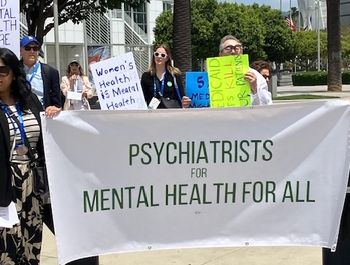
Why was this year's APA Annual Meeting historic? H. Steven Moffic, MD, shares his thoughts.
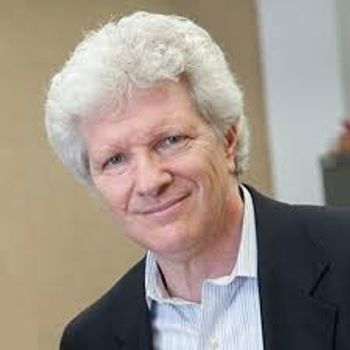
How does adult ADHD differ from pediatric ADHD? Jeffrey Newcorn, MD, shared his expertise at the 2025 APA Annual Meeting.

The APA Annual Meeting: a valuable career opportunity.