

Activation of the maternal immune system during pregnancy is associated with increased risk of neurodevelopmental disorders in children. A recent review and meta-analysis examine the link in ADHD.
Activation of the maternal immune system during pregnancy is associated with increased risk of neurodevelopmental disorders in children. A recent review and meta-analysis examine the link in ADHD.
New research brings us closer to linking diagnostically predictive connectivity patterns in patients with ADHD.

A study estimates the frequency and clinical correlates of GI symptoms during depressive episodes in a large, nationwide sample of patients with MDD in China.

Patient perspectives in academic discourse in psychiatry have historically been a neglected area. What are some of the consequences and implications of this absence? How has this affected both psychiatry and those who have been excluded? These questions and more are discussed.

Celebrate the lives of psychiatrists we lost this year.

Nurturing, growing, and harvesting wisdom…
A collection of validated statements addresses overarching topics ranging from nutrition, neuropsychiatry, and nonpharmacologic treatments.

While this digital therapy failed to meet its primary endpoint in a recent clinical trial, results suggest it may improve paranoia in general.

Opening certain potassium channels in the brain reduces depressive symptoms and anhedonia.

Impaired insight may result from major mental illnesses such as schizophrenia and other psychiatric conditions, notably major mood disorders with psychotic features that are associated with diminished awareness of illness. Earn CME Credit by learning more about psychological and cognitive insight.

A tragedy has rocked the Muslim community. How can psychiatry try to help prevent further tragedies from occurring?

Some mood episodes are more anxiety-provoking than others, and at the top of the list are mixed states.

A recent study tested a new digital therapeutic for effectiveness on both substance abuse and depression.
Hacking and security breaches are rising at an alarming rate.

This year, the March of the Living honors of Holocaust victims and survivors, the medical community, and Dr Anthony Fauci.

Prazosin appears to be effective and perhaps the best medication for selected patients, including those with bipolar disorder.

Reform school, a place where workers smoked with the boys, a place where fathers were AWOL and mothers begged us to save their sons.

One doctor shares his experiences with religion’s role in the practice.

CRL cites lack of substantial evidence of efficacy needed for approval.

Patients who are report social phobia are unlikely to speak out for themselves. For them, confrontations with their boss or coworkers are even worse than water-cooler conversations. That is where psychiatrists can help.

Is ECT a viable or a dangerous treatment for psychiatric disorders? Is there a middle road? Share your thoughts in our poll.

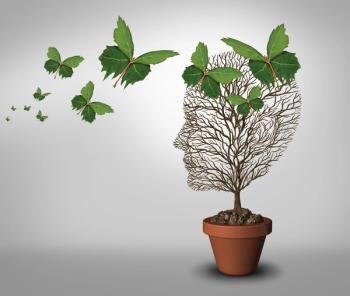
Investments in brain health and brain skills are key to sustaining the environment and navigating the complexities of social-ecological challenges.
ECT has undoubtedly been foundational in the field of interventional psychiatry, yet controversy remains an underlying theme.

There is consistent evidence of benefits following state-of-the-art modified ECT.
No one has precise data about how many Americans receive ECT each year, let alone how many treatments each patients receives or how closely providers space treatments. This is a troubling dilemma, according to the authors.

Should clinicians of a certain be assessed to ensure competence, or does that just foster stigma and stereotypes?

This once-daily sprinkleable capsule may help patients aged 6 to 17 years with attention-deficit/hyperactivity disorder.

The more tools we have in our treatment toolbox, the greater the likelihood that we will ultimately find a treatment (or combination of treatments) to improve a given patient’s functioning and quality of life.
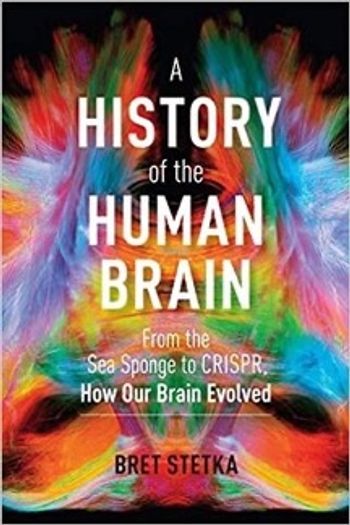
How did we become what we are and where on earth are we headed?

An introduction to the April issue.