

Drug-drug interactions are complicating COVID-19 treatment. Read what you need to know to keep yourself and your patients safe before and during COVID infection.
Drug-drug interactions are complicating COVID-19 treatment. Read what you need to know to keep yourself and your patients safe before and during COVID infection.

A recent study presents new findings on the connection between psychiatric disorders and Lyme.

New and improved treatment options are surfacing, thanks to an improved understanding of psychoneuroendocrinology.
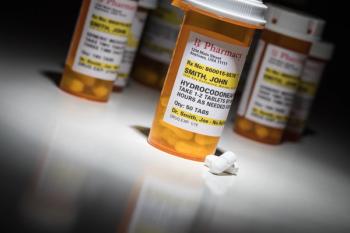
While there are risks for prescribing benzodiazepines and opioids concurrently, experts agree there are times when it may be an appropriate treatment decision.

One doctor shares her experience of treating black patients, and calls on you to help make reparations for the harm psychiatry has caused.

Carlos M. Grilo, PhD, explained symptoms, causes, and treatment for binge-eating disorder in his talk at The Annual Psychiatric Times® World CME Conference™.

Can algorithms improve how you practice? Dr Osser explained more in his speech at the Annual Psychiatric Times® World CME Conference™.

We have learned that in order to provide much-needed social support during difficult times, organizations should prepare to take certain steps.


Often misdiagnosed as other psychiatric disorders, FTD is the third most common type of dementia and the second most common among patients 65 years or younger. How to spot the signs.

New research is being conducted on how psychedelic substances may change the future of mental health care. Dr Carlin explained more in her speech at the Annual Psychiatric Times® World CME Conference™.

Cannabis and cannabis-derived products are widely debated. Dr Gorelick covered the issues surrounding this substance. Read more for highlights.
Clinicians have a limited repertoire when it comes to a dual approach to migraine and psychiatric treatment. Read more about Dr Moawad's presentation at the Annual Psychiatric Times® World CME Conference™.

Benzodiazepines, a drug used to treat anxiety and other conditions, has been mandated to alter their safety warnings. Read about the latest.

“The best indicator of the future is looking at the past,” Sidney Zisook, MD, told attendees of the Annual Psychiatric Times® World CME Conference™. Dr Zisook spoke to the future of psychiatry in the Educator of the Year Lecture.

Weaving the story of modern psychopharmacology’s birth leads us to a most surprising origin.
A psychiatrist steeped in the scientific method considers the healing power of the placebo effect.

Job loss may negatively impact your patient’s mental health. Read about how you can help.

Read about the new results from Sage’s clinical study of depression treatment, zuranolone.

The risk of “false positive” screening in primary care settings is reduced by a thorough clinical evaluation.

Terrorism is a crime from which the families of the victims may never recover. A recent study examines the grieving process in depth.

Bipolar disorder screening scales have modest sensitivity; thus, a negative result does not preclude a clinical evaluation.

This case illustrates the practical implications and effectiveness of the Minnesota Multiphasic Personality Inventory-2 in documenting patient recovery during treatment for delusional disorder.

There are epidemiological and clinical reasons why we should drop that term.
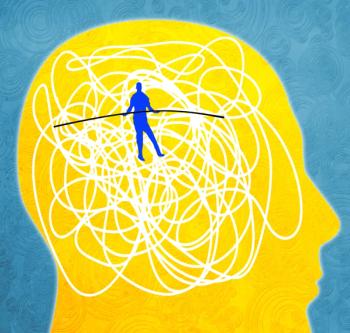
It is time for psychiatrists to tackle the toughest philosophical questions in their field.

A psychiatrist considers the role of race in American culture, psychiatry, and his own life.

Alkermes plc’s new drug, ALKS 3831, pending FDA approval, could be helpful in the treatment of patients with schizophrenia or bipolar I disorder.

The COVID-19 pandemic has disproportionately affected people of color due to legal, social, and economic inequities.

Cannabis use during pregnancy is associated with a host of negative outcomes.

At the heart of reopening is protecting both population health and economic health.