

News
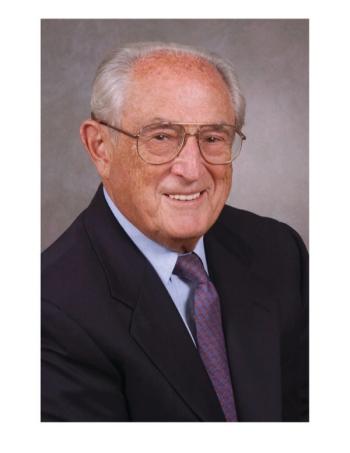
Maximillian Fink, MD, a pioneering psychiatrist and advocate for ECT, leaves a lasting legacy in neuropsychiatry and education.

Discover how best to approach ADHD assessments and utilize tools such as the Mentavi Diagnostic Evaluation, which can help improve patient care and reduce stigma.

Uzedy, a once-monthly extended release long-acting injectable, is now FDA approved for bipolar I disorder.

New research reveals that benzodiazepines and antipsychotics increase mortality risk in hospice patients with Alzheimer disease and dementia.

A reproductive psychiatrist discusses the implications of recent FDA announcements on medication use during pregnancy, emphasizing the importance of mental health for mothers and babies.
Explore the complexities of aripiprazole in bipolar disorder treatment, including its efficacy and proper prescribing practices.

Discover the most effective components of cognitive behavioral therapy for chronic insomnia, enhancing treatment outcomes and patient care strategies.

Cingulate's CTx-1301, a novel ADHD treatment, gains FDA review, promising rapid relief and sustained efficacy for patients.

AI chatbots prioritize user engagement over mental health, risking harm to vulnerable users. Explore the urgent need for ethical programming and safety measures.

A recent study highlights lumateperone's effectiveness in preventing schizophrenia relapse, showcasing its potential for long-term treatment benefits.

Data presented at the ECNP Conference showed CT-155 has promise in reducing negative symptoms of schizophrenia.

New data indicates safety of seltorexant and its pharmacokinetics in treating adolescent depression, supporting its potential as an effective adjunct therapy.

New research reveals women with ADHD are diagnosed 5 years later than men, highlighting the need for improved awareness and early intervention.

Discover how Mentavi Health's innovative ADHD assessment enhances diagnosis speed, accuracy, and patient engagement in mental health care.

Esketamine nasal spray shows significant improvements in treatment-resistant depression, with effective dose management and minimal adverse effects in recent studies.

Explore the evolving significance of Indigenous People's Day and its impact on mental health, community healing, and historical recognition.

"They toil in a sterile field, pack produce on ice fast as death’s freedom allows..."

New research highlights lumateperone's effectiveness as an adjunctive treatment for major depressive disorder, improving depressive symptoms and sexual function.

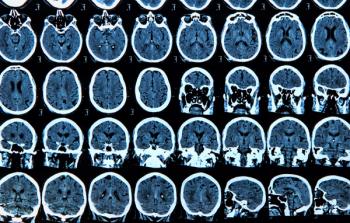
Explore the complex neuropsychiatric symptoms of Huntington disease and the challenges in treatment and management for affected patients.

World Mental Health Day emphasizes the importance of mental health access during crises, urging professionals to prioritize their own well-being amidst challenges.


Sleep disruption undermines team coordination in sports, revealing its critical role in collective performance and strategic success.
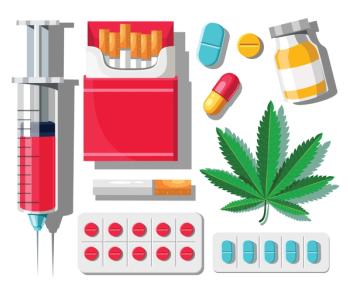
A recent study reveals higher substance use disorder rates in individuals with ADHD, highlighting significant sex differences and the impact of comorbid psychiatric conditions.
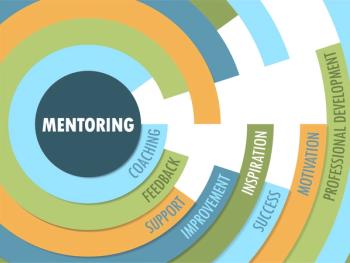
Explore the profound impact of mentorship in medicine, highlighting personal journeys and the legacy of influential mentors like Wassfy Hanna, MD.

Emergency departments face challenges in detecting suicidality among patients with trauma, highlighting the need for effective screening and intervention strategies.

Researchers unveil a groundbreaking nasal spray using lithium-loaded gold nanoparticles, targeting brain diseases with reduced adverse effects.

Explore the vital role of psycho-oncology in supporting cancer patients' mental health during diagnosis and treatment challenges.

AI chatbots raise critical concerns in mental health, revealing risks of suicide ideation, maladaptive thinking, and the need for clinician awareness and intervention.
Advertisement
Advertisement
Trending on Psychiatric Times
1
New Phase 3 Data on Oveporexton for Narcolepsy Type 1
2
Glyph Allopregnanolone for Major Depressive Disorder Meets Phase 1 Endpoints
3
State Funding for Suicide Prevention and Crisis Services Climbs Sharply From 2021 to 2026
4
The Instincts Behind a Career in Treatment-Resistant Depression: A Conversation With Maurizio Fava, MD
5