








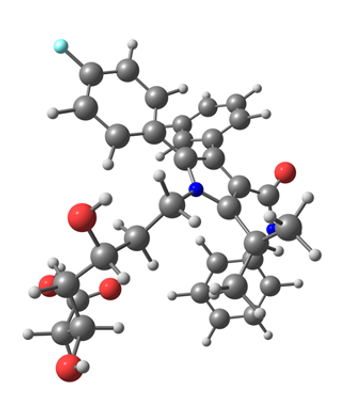
The genetics of dementia, dyslipidemia, and diabetes may hold the key to preventive therapy.

The genetics of dementia, dyslipidemia, and diabetes may hold the key to preventive therapy.

Three recent studies on dementia show antioxidants lack preventive effects, autoimmune disease hospitalization is a risk factor, and cognitive stimulation has modest benefits.

The caffeine in your morning cup of java could pack a neuroprotective punch.

Insights from 3 recent studies on the benefits of mental stimulation for mild cognitive impairment, effect of brain stimulation on memory, and risk of dementia in men with sleep apnea.

Can cardiovascular fitness help older adults ward off dementia?
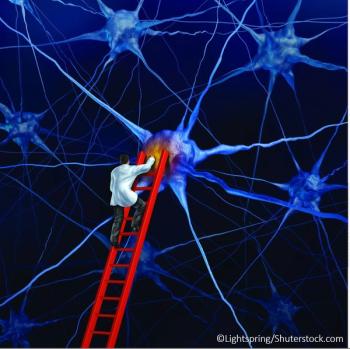
New research shows it’s not “all in your head”-it’s also in your gut.

Highlights of 3 recent studies that focus on psychiatric disorders in older adults.
The goal of clinically relevant detection of neuropathological hallmarks may be in sight.
The co-occurrence of depression and cognitive impairment doubles every 5 years after the age of 70. Here we present a list of elements in a comprehensive and extended evaluation of depression in the elderly.

“Doctor, will you prescribe medical marijuana for my mother? I think it might help her agitation better than the medication you gave her last visit.”

Older adults seem willing to take a hypothetical predictive test-and plan accordingly.

Three new studies offer insights into psychiatric disorders in the elderly.

For up to 60% of patients with bipolar disorder, simply treating their mood symptoms is not enough to help them return to a full life.

Can't keep up with the literature? Here's some help.
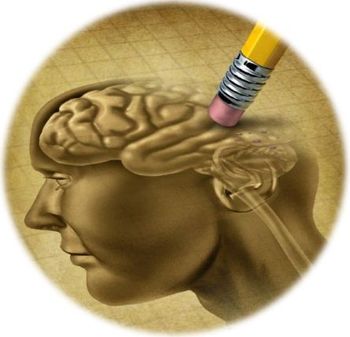
Here's a case that illustrates the potential for alprazolam to create a dementia-like appearance-not to mention a premature aging of the patient.
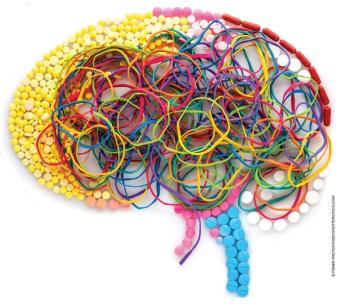
Here: a look at several natural products used to improve cognitive impairment or cognitive symptoms of dementia.
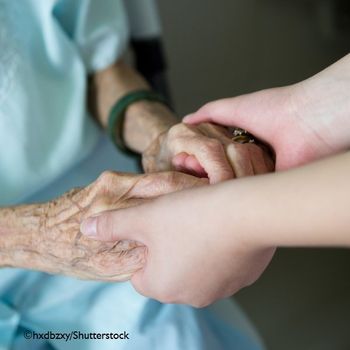
When agitation and psychosis symptoms are severe, is an antipsychotic medication an option? Not always.

The latest research on the global risk of Alzheimer disease and other dementias.
Editors' choices of noteworthy psychiatry stories from around the Web: genetics of schizophrenia, Alzheimer disease, the perils of mixing prescription and over-the-counter medications, new guidelines for treating pain with opioids, and other topics.
Recent data show that widespread discrepancy exists between clinical guidelines and practice patterns for ADHD, dementia, and bipolar disorders.

To honor him beyond his professional skills, let us learn some important medical lessons from the life and death of Robin Williams.
Sleep disorders represent a significant problem in patients with Alzheimer disease. Here: assessment strategies and a review of drug and non-drug interventions.

A paradigm-shifting finding holds the potential to alter how we perceive brain-immune interactions for disorders like schizophrenia and Alzheimer disease. It would enable a more mechanistic approach to the study of the neuroimmunology of these and other disorders.

Chronic health problems like diabetes only get worse with depression. New research shows the time is now to address both concerns.

What is the most common problem in individuals with dementia?