
Conference Coverage
about 1 month ago
Predicting Antipsychotic Response: Could EEG Help?Latest Content

Nov 20, 2026 | News
Podcast: Bessel van der Kolk, MD, on Trauma, Attachment, and the Limits of Pharmacotherapy for PTSD

Emestedastat for Alzheimer Disease Falls Short Overall, Signals Subgroup Benefit
Nov 20, 2026

Long-Acting Injectable Antipsychotics: Balancing Evidence, Ethics, and Patient Care
Nov 20, 2026

Clinical Data From Phase 3 ADEPT Studies Evaluating KarXT for Alzheimer Disease Psychosis
Nov 19, 2026

Real-World Lecanemab Outcomes in Alzheimer Disease, Reported at 3 Years
Nov 19, 2026





Advertisement
Shorts
1:15
Evaluating Modern Breakthroughs in CNS Drugs
4 hours ago
by
John J. Miller, MD(+1 more)

1:22
Discovering CYP Enzymes
a day ago
by
John J. Miller, MD(+1 more)

1:06
What Makes the Therapeutic Alliance Work?
2 days ago
by
Loren Martin, PhD

1:13
CPTSD and Recollecting Trauma
3 days ago
by
Joseph F. Goldberg, MD(+1 more)
1:19
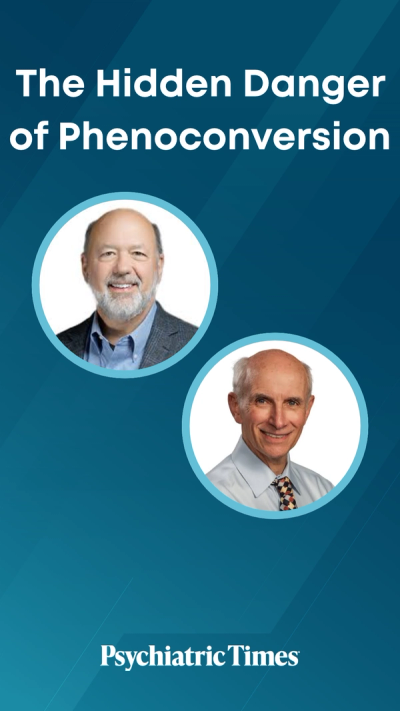
The Hidden Danger of Phenoconversion
4 days ago
by
Sheldon H. Preskorn, MD(+1 more)

0:54
"It's All in Your Head": Neuroscience & Mental Health
9 days ago
by
John J. Miller, MD(+1 more)

1:05
Combining Psychedelics & Psychotherapy
11 days ago
by
Joseph F. Goldberg, MD(+1 more)

1:21
Solving the Subjectivity Problem in Psychiatry
14 days ago
by
Joseph Geraci, PhD, MS

1:24
Why Perimenopause Matters in Serious Mental Illness
15 days ago
by
Rebecca Barbee, PA-C, CAQ-Psych

1:11
Combining Psychedelics and Therapy for Trauma Treatment
16 days ago
by
Joseph F. Goldberg, MD(+1 more)




Digital Edition


















Continuing Medical Education









All News
Advertisement
Advertisement
2R,6R-HNK reproduces ketamine’s rapid antidepressant profile in rodents without dissociation or abuse signals, and is now in four phase 2 trials.

Johnson & Johnson has submitted an sNDA to the FDA for Caplyta for the treatment of bipolar mania.

Explore how clinicians subtype depression using severity, stressors, suicidality, sleep, and anxiety patterns to sharpen diagnosis, guide treatment, and build trust.

Learn more about the randomized, double-blind phase 2b study of naturally derived psilocybin in MDD, and more.

In 2 pivotal phase 3 studies, all 5 readers hit sensitivity and specificity targets for florquinitau F 18 tau PET, including in patients with early symptomatic Alzheimer disease.

New phase 3 data for a PDE-5 inhibitor in Alzheimer disease.
Clinicians weigh ketamine vs FDA-approved esketamine for TRD, with evolving guidance on dosing, safety monitoring, and long-term maintenance decisions.

Review news from the last week in pharmacology, legislation, and research.

Hormone shifts during menstruation, pregnancy, and menopause can trigger depression in susceptible women, highlighting connected brain pathways and guiding targeted, stabilizing treatments.

HLP003 achieved statistically significant and clinically meaningful results in the primary and key secondary endpoints starting as early as day 2.
Advertisement
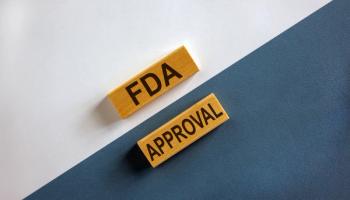
The FDA has approved dexmedetomidine (Igalmi) sublingual film for at-home use.

A critical care physician explains why quiet, hypoactive ICU delirium is often missed and why its effects follow patients long after discharge.

Many traumatic brain injuries result in significant communication impairment across a spectrum that can range from limited speaking to apparent disorders of consciousness such as comas.

Review the timeline for Igalmi in at-home treatment of agitation in bipolar disorder and schizophrenia.

Meta-analysis finds bright light therapy boosts remission and response in nonseasonal depression, offering a low-cost add-on to standard care.
Advertisement
Advertisement
Trending on Psychiatric Times
1
Ketamine for Treatment-Resistant Depression: Practical Clinical Considerations
2
Real-World Lecanemab Outcomes in Alzheimer Disease, Reported at 3 Years
3
Clinical Data From Phase 3 ADEPT Studies Evaluating KarXT for Alzheimer Disease Psychosis
4
sNDA Submitted: Caplyta for the Treatment of Bipolar Mania
5