
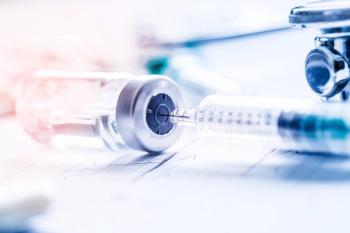
COVID-19 vaccination efforts are making a big difference, with thousands of lives saved.
COVID-19 vaccination efforts are making a big difference, with thousands of lives saved.

It's time to take a deep breath...
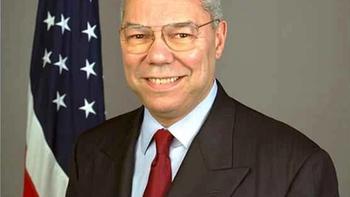
It was recently announced that Colin Powell has died at the age of 84 from COVID-complications.
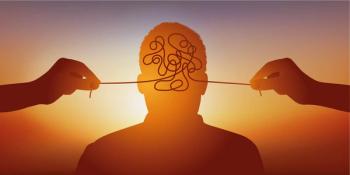
One man shares his suicide survival story, and what he does to aid suicide prevention.
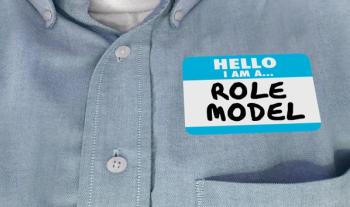
Do you know any mental health heroes?

Nearly 80% of eating disorders go undetected. What screening tools can help identify them?

Many workers are going on strike. Should psychiatrists join them?

Nature can bring the ultimate treasure: contentment.

A patient, faced with a lung cancer diagnosis and the fear of death, goes through the stages of grief. How can you as clinicians lead them through?

Is the saying “there is no free lunch” really true?

William Shatner, age 90, just made a brief journey to space—like life imitating art.

Key nutrients are essential to maintaining health. Here's an overview of B12.
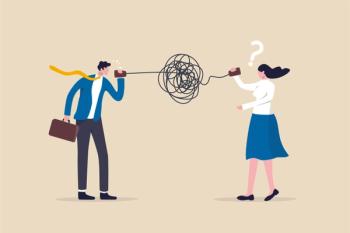
Syllable and sound are still the primary means for taking the measure of thoughts and emotions, the building blocks and foundations of psychiatric work.

Information asymmetry occurs when one party has more or better information than the other party. Asymmetry and fraud will sour investor interest in the field.


Small body language cues can tell a bigger story.
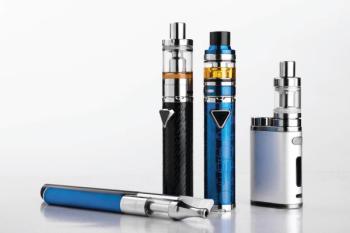
What is vaping and when does it become a problem?

The United States is often called a cultural melting pot, but would a more apt metaphor be a potluck, where cultures are shared rather than erased through blending?
Honoring World Mental Health Day...

Research indicates sleep issues should be addressed as part of ADHD treatment.


In this CME, the link between personality disorders and violence is explored. Much still remains to be learned about the factors that mediate the link.
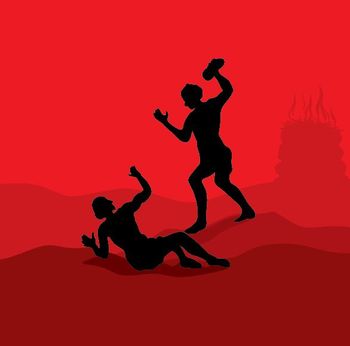
Are we our brothers’ and sisters’ keepers?

The history of medicine is a never-ending work in progress. What is the next chapter in the psychiatry and genetics story?
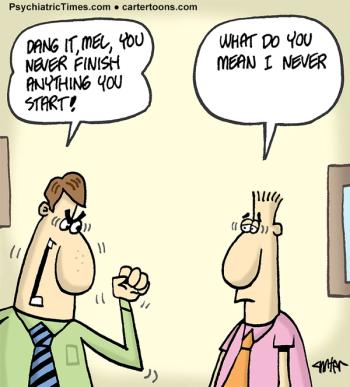
Don't stop now...
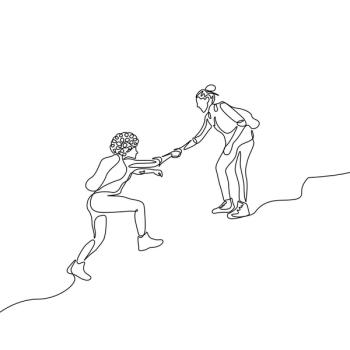
We must protect the future generations.
Does mental health care need a whistleblower like Facebook?
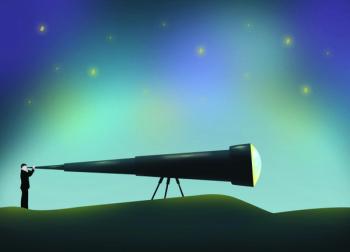
What will psychiatric practice look like in the future?

Work can be rewarding and bring meaning, but should not define us...