





Postpartum Disorders
Latest News
Advertisement
Latest Videos






Shorts

1:22
Morning Coffee & Updates: Increasing Awareness of Postpartum Psychosis
a month ago
by
Leah Kuntz

0:37
Barriers to Access in Postpartum Care
2 months ago
by
Katie Unverferth, MD

0:36
Essential Advice for Every Woman of Reproductive Age
4 months ago
by
Jennifer L. Payne, MD

0:45
Protecting Pregnancy by Protecting Maternal Mental Health
4 months ago
by
Jennifer L. Payne, MD

0:26
Looking Out for Childbirth-Related PTSD
4 months ago
by
Amanda Koire, MD, PhD

2:07
TMS for Postpartum Depression
4 months ago
by
Thalia Robakis, MD, PhD

2:21
Antidepressants in 3rd Trimester Pregnancy
4 months ago
by
Marlene P. Freeman, MD

1:33
Risks of Untreated Mental Illness During Pregnancy
5 months ago
by
Marlene P. Freeman, MD

1:47
Interpersonal Therapy Effective for Perinatal Depression
7 months ago
by
Elysia Davis, PhD(+1 more)

1:20
The Power of Collaborative Research
7 months ago
by
Elysia Davis, PhD(+1 more)
Podcasts

CME Content






Advertisement
More News
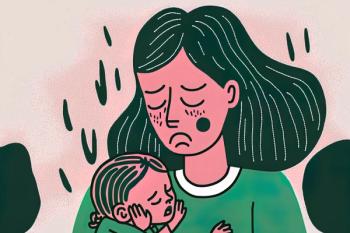
Clancy trial spotlights postpartum psychosis: how to recognize warning signs, emergency treatment options, and why stigma and DSM gaps hinder care.

From long-acting antipsychotics to psilocybin and new ADHD meds, clinicians weigh emerging therapies reshaping depression and postpartum care.

Learn how clinicians manage bipolar disorder in women who may become pregnant—safer meds, contraception counseling, and relapse prevention.

Learn how fast-acting oral zuranolone treats postpartum depression in days, with practical prescribing and breastfeeding guidance clinicians can use.
A multicenter study tests SAINT TMS for postpartum depression.

Lipocine's oral brexanolone (LPCN 1154) for the treatment of postpartum depression failed to meet the primary endpoint in a phase 3 placebo-controlled trial.

Study shows brief interpersonal therapy during pregnancy cuts depression through year postpartum.

Brief interpersonal therapy in pregnancy sharply lowers depression and postpartum relapse for a year—offering clinicians a fast, safe option.

LPCN 1154 shows promise as a rapid, at-home treatment for postpartum depression, with favorable safety results in ongoing phase 3 trials.

Progress Report: Second Interim Safety Review of Phase 3 Trial of LPCN 1154 in Postpartum Depression
Lipocine's LPCN 1154 shows promise in treating postpartum depression, with a strong safety profile and potential for rapid relief in outpatient settings.

The language clinicians use while talking to postpartum patients is critical. Learn more on best practices in treating this unique patient population.

Shulamit Bossewitch discussed nonpharmacological support for postpartum depression at the 2025 Southern Florida Psychiatry Conference.

Experts at the Southern Florida Psychiatry Conference emphasize the importance of screening for postpartum depression, highlighting effective treatments and support strategies for new mothers' mental health.

Lipocine's LPCN 1154 shows promise in treating postpartum depression, with a favorable safety profile and potential for rapid relief.

Lipocine Inc. advances LPCN 1154, an oral treatment for postpartum depression, aiming for rapid relief and improved patient access by 2026.

Untreated maternal mental health issues during pregnancy pose significant risks. Informed discussions on medication are crucial for mother and baby's well-being.

Dysphoric milk ejection reflex (D-MER) causes brief emotional distress during breastfeeding, often misdiagnosed as postpartum depression, requiring better awareness and support.

Biogen's zuranolone gains positive opinion for treating postpartum depression, promising rapid symptom relief and potential EU approval by 2025.

Deb York, PMHNP-BC, sheds light on postpartum psychiatry at the conference.
About 40% of women who have postpartum depression go unrecognized and untreated, and they are still symptomatic 3 years later.

Dr Wilsa Charles Malveaux highlights the urgent need to address mental health in Black Maternal Health Week, especially for Black mothers and athletes.

On April 7, 2025, the World Health Organization launched a yearlong initiative focused on improving maternal and newborn health.

Motherhood: what is truth vs idealized narrative?

A one-size-fits-all approach does not work—each mother’s experience with postpartum depression is unique.

Learn more about the impact birth complications and life factors may have on postpartum depression.
Advertisement
Advertisement
Trending on Psychiatric Times
1
Centanafadine For Comorbid ADHD and Anxiety: Talking New Data With John Kraus, MD, PhD
2
New Adult ADHD Guidelines: What Resources Are Coming Soon
3
The Silence Between the Questions: Reflections on Adolescent Suicide Risk When Intent Is Unclear
4
Brenipatide for Alcohol Use Disorder: Emerging Findings
5