



Postpartum Disorders
Latest News
Advertisement
Latest Videos




Shorts

2:33
SSRIs and Pregnancy, Perspectives With Marlene Freeman, MD
a year ago
by
Marlene P. Freeman, MD
CME Content






Advertisement
More News

Learn more about the impact birth complications and life factors may have on postpartum depression.

Here are 10 things to consider when treating a patient with mood disorders.

Check out these top tips for treating postpartum depression from the Real Psychiatry conference!
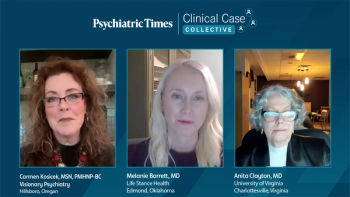
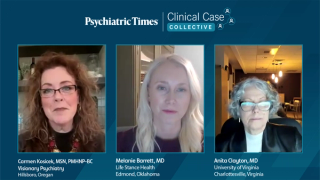
Melanie Barrett, MD; Anita Clayton, MD, and Carmen Kosicek, MSN, PMHNP-BC, discuss how effective screening tools like the Edinburgh Postnatal Depression Scale (EPDS) and PHQ-9, combined with comprehensive clinical assessments, are crucial for accurately identifying postpartum depression during routine prenatal and postnatal visits.
Melanie Barrett, MD; Anita Clayton, MD, and Carmen Kosicek, MSN, PMHNP-BC, discuss how breaking the stigma around postpartum depression requires both healthcare providers and society to normalize open conversations about maternal mental health, while encouraging mothers to seek support without shame or judgment.
Melanie Barrett, MD; Anita Clayton, MD, and Carmen Kosicek, MSN, PMHNP-BC, discuss how real patients navigate the complex journey of seeking and receiving postpartum depression care, from overcoming stigma and recognizing symptoms to finding appropriate healthcare providers and accessing treatment while managing new motherhood responsibilities.
Melanie Barrett, MD; Anita Clayton, MD, and Carmen Kosicek, MSN, PMHNP-BC, discuss how postpartum depression affects up to 1 in 7 new mothers, presenting with symptoms like persistent sadness, anxiety, and difficulty bonding with the baby, yet remains underdiagnosed and undertreated despite being highly treatable through therapy, medication, and support systems.
Looking to buy books as gifts this year? We've got you covered.

Patients who have experienced a perinatal loss are at increased risk of MDD, anxiety disorders, and trauma-related disorders.

Fathers have to make psychological adjustments during their partner's pregnancy and during the first year with the baby. What does a meta-analysis tell us of their mental state?

A book for all psychiatrists with woman patients and for all parents.

Perinatal mood and anxiety disorders affect 1 in 5 of perinatal individuals who are pregnant or up to 1 year postpartum. Over the past 2 decades, the US has seen an alarming rise in these disorders.

Experts share the results from the first-in-human phase 1 study of this treatment, plus a preview of its upcoming phase 2 trial.

What is new in research on postpartum depression?
Here’s a look at our recent coverage of these disorders in honor of Mother’s Day 2024.

How can psychiatric clinicians improve outcomes for this unique patient population?
Neurosteroid therapeutics could be the solution to provide fast-acting treatment for mothers with postpartum depression.

The FDA did not grant approval for the treatment for major depressive disorder.

Black mothers in the US experience far worse outcomes. Here’s what clinicians need to know.
A new treatment in development is poised to be a game-changer for patients with postpartum depression.
Advertisement
Advertisement
Trending on Psychiatric Times
1
Centanafadine For Comorbid ADHD and Anxiety: Talking New Data With John Kraus, MD, PhD
2
New Adult ADHD Guidelines: What Resources Are Coming Soon
3
The Silence Between the Questions: Reflections on Adolescent Suicide Risk When Intent Is Unclear
4
Brenipatide for Alcohol Use Disorder: Emerging Findings
5