

A recent study evaluated the everyday efficacy of this novel treatment for major depressive disorder.
A recent study evaluated the everyday efficacy of this novel treatment for major depressive disorder.

Psychiatrists who want to understand white supremacy should watch this series…
Ronald W Pies, MD, considers the evidence from pathology textbooks—and answers the critics.

We need Earth Day every day.

A lawyer discusses how the legal system treats (and mistreats) those with mental illnesses.
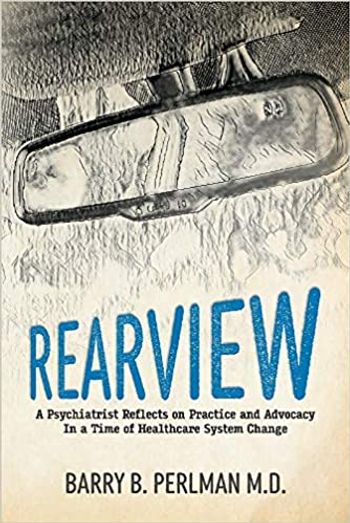
A psychiatrist shares the pearls of his life, clinical and otherwise.

Justice in the form of humanity.

The Racism & Psychiatry collection highlights the ways communities of color have been uniquely impacted by climate disruption and what psychiatrists can do about it.

“As soon as Lexi reaches home, she abruptly sinks into depression and curls up in a fetal position, almost catatonic in her bed.”

Ancient religious texts from India explain the deep connections between human beings and their environment.

A new risperidone capsule for the treatment of schizophrenia sees positive phase 2 study results.

Australia’s cascading environmental crises are all likely effects of climate change. How can psychiatrists and other mental health stakeholders respond?
All it takes is one tree, one connection…

Pain as a cultural construct considers conscious and unconscious biases, as well as methods for assessing and managing pain in all patient populations, including those with mental health challenges.

Although college drinking develops into an addiction, overconsumption and especially binge drinking patterns are often preludes to alcohol use disorder, with approximately 1 in 10 students meeting criteria for AUD.

Patients with depression may have altered cortical processing of visual contrast during a major depressive episode.
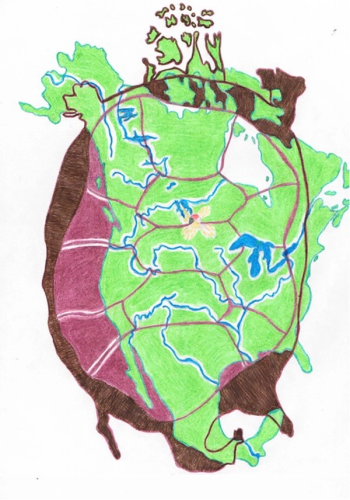
Ancient creation stories can still tell us something about our world.

Earth is a sacred concept in Chinese tradition. How can we continue respecting it today?

It is not just a day.

Activation of the maternal immune system during pregnancy is associated with increased risk of neurodevelopmental disorders in children. A recent review and meta-analysis examine the link in ADHD.

New research brings us closer to linking diagnostically predictive connectivity patterns in patients with ADHD.

A study estimates the frequency and clinical correlates of GI symptoms during depressive episodes in a large, nationwide sample of patients with MDD in China.

Patient perspectives in academic discourse in psychiatry have historically been a neglected area. What are some of the consequences and implications of this absence? How has this affected both psychiatry and those who have been excluded? These questions and more are discussed.

Celebrate the lives of psychiatrists we lost this year.

Nurturing, growing, and harvesting wisdom…
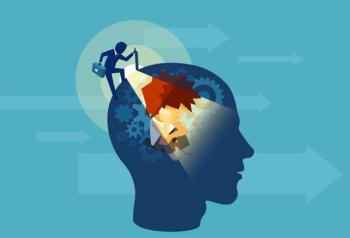
A collection of validated statements addresses overarching topics ranging from nutrition, neuropsychiatry, and nonpharmacologic treatments.

While this digital therapy failed to meet its primary endpoint in a recent clinical trial, results suggest it may improve paranoia in general.

Opening certain potassium channels in the brain reduces depressive symptoms and anhedonia.

Impaired insight may result from major mental illnesses such as schizophrenia and other psychiatric conditions, notably major mood disorders with psychotic features that are associated with diminished awareness of illness. Earn CME Credit by learning more about psychological and cognitive insight.

A tragedy has rocked the Muslim community. How can psychiatry try to help prevent further tragedies from occurring?