Is there a way to separate the neuroplasticity and therapeutic effects from the hallucinatory and dissociative effects of traditional psychedelics?

Is there a way to separate the neuroplasticity and therapeutic effects from the hallucinatory and dissociative effects of traditional psychedelics?

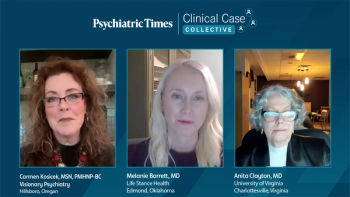
Melanie Barrett, MD; Anita Clayton, MD, and Carmen Kosicek, MSN, PMHNP-BC, discuss how effective screening tools like the Edinburgh Postnatal Depression Scale (EPDS) and PHQ-9, combined with comprehensive clinical assessments, are crucial for accurately identifying postpartum depression during routine prenatal and postnatal visits.

DLX-001 is a novel neuroplastogen under development for the treatment of major depressive disorder. Learn more about the latest phase 1 data here.

Panelists discuss how to diagnose postpartum depression (PPD) promptly using tools such as standardized screening questionnaires, especially in busy or resource-limited settings, and explore strategies to enhance PPD screening in underserved and minority populations in which symptoms may be underreported, while also considering the role of the case study patient’s family history in identifying her PPD symptoms.

Panelists discuss how specific symptoms, such as persistent sadness, emotional numbness, and disconnection from the baby, help distinguish postpartum depression (PPD) from postpartum anxiety or “baby blues,” and how to approach assessing a patient such as Emily, who is experiencing these symptoms for the first time despite previous pregnancies.

"Tell yourself as it gets cold and gray falls from the air that you will go on..."

A panelist discusses how effective posttraumatic stress disorder (PTSD) management requires a comprehensive, individualized approach combining evidence-based treatments, ongoing support systems, lifestyle modifications, and regular monitoring of progress while acknowledging that recovery is often a gradual process requiring patience, persistence, and collaboration between health care providers and patients.

A panelist discusses how emerging posttraumatic stress disorder (PTSD) treatments, including psychedelic-assisted therapy, neurofeedback, transcranial magnetic stimulation, and virtual reality exposure protocols, show promising results in clinical trials while offering new hope for treatment-resistant cases.

Celebrating the life of former president Jimmy Carter...

Melanie Barrett, MD; Anita Clayton, MD, and Carmen Kosicek, MSN, PMHNP-BC, discuss how breaking the stigma around postpartum depression requires both healthcare providers and society to normalize open conversations about maternal mental health, while encouraging mothers to seek support without shame or judgment.

Melanie Barrett, MD; Anita Clayton, MD, and Carmen Kosicek, MSN, PMHNP-BC, discuss how real patients navigate the complex journey of seeking and receiving postpartum depression care, from overcoming stigma and recognizing symptoms to finding appropriate healthcare providers and accessing treatment while managing new motherhood responsibilities.

"Things fall apart; the centre cannot hold; Mere anarchy is loosed upon the world..."

A panelist discusses how clinicians implement posttraumatic stress disorder (PTSD) treatments through a carefully structured approach that begins with establishing safety and stabilization, progresses through trauma processing using evidence-based interventions, and concludes with integration and relapse prevention strategies, all while maintaining therapeutic alliance and adjusting treatment intensity based on patient response.

A panelist discusses how treatment options for posttraumatic stress disorder (PTSD) encompass a wide range of evidence-based approaches, including trauma-focused cognitive behavioral therapy, medication management, exposure therapy, and complementary interventions such as mindfulness and group support, which can be tailored to meet individual patient needs and circumstances.

Panelists discuss how the recent FDA-approved treatments for postpartum depression (PPD), including zuranolone and brexanolone , offer new options for rapid symptom relief and improve the management of severe PPD cases.

A panelist discusses how a posttraumatic stress disorder (PTSD) diagnosis in clinical settings requires a comprehensive evaluation process that includes gathering detailed trauma history, assessing current symptoms through validated assessment tools, conducting differential diagnosis to rule out other conditions, and considering cultural and contextual factors that may influence symptom presentation.

A panelist discusses how clinicians employ a range of diagnostic tools for posttraumatic stress disorder (PTSD) assessment, including structured clinical interviews, standardized questionnaires such as the PCL-5, trauma screening instruments, and detailed behavioral observations to ensure accurate diagnosis and appropriate treatment planning.

Melanie Barrett, MD; Anita Clayton, MD, and Carmen Kosicek, MSN, PMHNP-BC, discuss how postpartum depression affects up to 1 in 7 new mothers, presenting with symptoms like persistent sadness, anxiety, and difficulty bonding with the baby, yet remains underdiagnosed and undertreated despite being highly treatable through therapy, medication, and support systems.

An FDA committee recently decided the clozapine REMS protocol was no longer necessary. How will this impact clinicians?

Panelists discuss how postpartum depression (PPD) is recognized and managed, highlighting current diagnostic practices, treatment options, and the role of emerging therapies in improving outcomes for affected individuals.

A panelist discusses how diagnosing posttraumatic stress disorder (PTSD) presents unique challenges due to symptom overlap with other mental health conditions, varying presentation across different populations, and the often-delayed onset of symptoms following traumatic events.

A panelist discusses how posttraumatic stress disorder (PTSD) manifests through a complex web of symptoms, including intrusive memories, nightmares, hypervigilance, emotional numbness, and avoidance behaviors that significantly impact daily functioning and quality of life.


A panelist discusses how posttraumatic stress disorder (PTSD) alters key brain regions, such as the amygdala and hippocampus, with genetic predisposition, severity of trauma exposure, and lack of social support serving as critical risk factors that can influence both the likelihood of developing the condition and its neurobiological impact.

A panelist discusses how posttraumatic stress disorder (PTSD) permeates modern society at multiple levels, from individuals coping with personal trauma to collective trauma responses that shape community behaviors and social structures.

You've heard of social capital and financial capital... but what about psychiatric capital?


Gus Alva, MD, DFAPA; Carmen Kosicek, MSN, PMHNP-BC; and Roger McIntyre, MD, FRCPC wrap up the conversation discussing optimizing treatment response with a focus on rapid-acting antidepressants (ADTs), including real-world patient responses and clinical study data. They address patient education, treatment expectations, titration, and follow-up strategies to enhance treatment optimization and outcomes.

The authors of the Clinician's Corner column discuss the latest FDA-approved treatment for schizophrenia.

A panel of mood disorder experts explore the challenges of treatment-resistant depression (TRD), including defining TRD, managing partial improvement, and addressing adverse reactions. They discuss the role of glutamate in TRD, efficacy and safety considerations from clinical trials, treatment half-life, and real-world experiences with pharmacovigilance.