

Conference Coverage
Latest Content

Oct 21, 2026 | News
What Do Patient-Level Studies Tell Us About Antidepressants and Suicide Risk?

Podcast: Diego Regalado, MD, on Culturally Responsive Psychiatric Care for Hispanic Patients
Oct 21, 2026

Positive Topline Results From Phase 2 Trial of RAP-219 for the Treatment of Bipolar Mania
Oct 20, 2026

Evidence-Based Ethical Principles for Long-Acting Injectable Antipsychotic Use
Oct 20, 2026

Phase 2 Clinical Study Initiated: Evaluating NBI-'567 for the Treatment of Adults With Alzheimer Disease
Oct 20, 2026





Advertisement
Shorts
1:05
Interventional Psychiatry Strategies & Continuing Treatment
15 minutes ago
by
Joseph F. Goldberg, MD(+1 more)
1:23
Beyond Dopamine in Schizophrenia Treatment
an hour ago
by
Christoph U. Correll, MD
1:26
Reincorporating Clozapine Into Practice
a day ago
by
John J. Miller, MD(+1 more)

1:04
Why Postpartum Psychosis is a Medical Emergency
2 days ago
by
Mena Mirhom, MD, FAPA
1:19
A Clinical Pearl for Clozapine Patients
6 days ago
1:00
When to Deprescribe vs When to Get Interventional
7 days ago
by
Joseph F. Goldberg, MD(+1 more)
1:11
Morning Coffee & Updates: The First-Ever TRD Awareness Day
7 days ago
by
Leah Kuntz
1:20
Lab Value Ranges & Therapeutic Monitoring
9 days ago
by
Joseph F. Goldberg, MD(+1 more)
1:05
Financial Barriers to Prescribing Clozapine
12 days ago
by
John J. Miller, MD(+1 more)
1:07
Changing Antipsychotic Doses: What's Too Much?
12 days ago
by
Joseph F. Goldberg, MD(+1 more)




Digital Edition












Podcasts


Continuing Medical Education









All News
Advertisement
Advertisement

Review finds ADHD drugs may ease perimenopause brain fog and improve daily focus, but objective cognition gains remain unclear; larger safety and efficacy studies needed.

An endocrinologist warns psychiatrists against overreading peripheral thyroid hormones and flags kelp and T3 microdosing as underrecognized risks.

Phase 2 trial finds bezisterim shows safety and symptom gains in long COVID, with strongest benefits for severe fatigue, PEM, and cognitive issues.

Adjustment disorder often goes undiagnosed after major life stressors, especially in cancer care; learn updated criteria, risks, and emerging therapies like psilocybin.

This study compared the efficacy and tolerability of the 5 second-generation antipsychotics that are currently FDA approved as adjunctive treatments for adults with MDD.

Ketamine or esketamine during C-section anesthesia lowers early postpartum depression symptom scores in trials, hinting at a new prevention approach under study.

Real-world data show TRD costs spike during resistant episodes; Compass’ psilocybin COMP360 delivers durable symptom relief through 26 weeks, potentially easing resource strain.

Antipsychotic levels clarify adherence, guide dose escalation up to a point of futility, and offer more than pharmacogenetic testing, says Jonathan Meyer, MD.

AI might streamline psychiatric intake with avatar interviews and EHR-linked decision support, adding guardrails against hallucinations and enabling measurement-driven precision predictions.

Learn how clinicians tailor antidepressants by diagnosis, symptoms, adverse effects, and next-step strategies for treatment-resistant depression.
Advertisement

How to interpret antipsychotic drug levels in schizophrenia: when labs mislead, when levels help adherence and toxicity checks, and why serial monitoring matters.

Male athletes with anorexia often go unnoticed as “discipline”; learn red flags, sport-specific risks, health consequences, and treatment steps for earlier diagnosis.

Explore major depression subtypes—from melancholic to inflammatory—and how they shape symptoms, biology, and treatment choices for better outcomes.

Therapeutic drug monitoring takes guesswork out of antipsychotic care—spotting nonadherence, guiding dose targets, and defining response thresholds and the “point of futility” in schizophrenia.
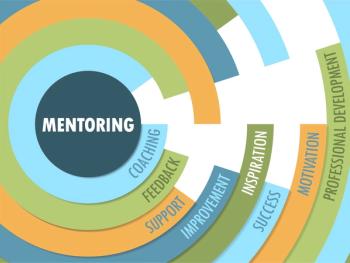
A psychiatric NP shares mentorship lessons, training fixes, and her Psych NP Boot Camp—plus practical tips to close prescriber gaps and improve team-based care.
Advertisement
Advertisement
Trending on Psychiatric Times
1
Comparison of Atypical Antipsychotics as Adjunctive Treatments for Major Depressive Disorder
2
ADHD Medications for Managing Menopausal Brain Fog: Improvements in Subjective Executive Function
3
Improving but Not Feeling It: Anticipatory Anhedonia and Cognition
4
Positive Topline Results From Phase 2 Trial of RAP-219 for the Treatment of Bipolar Mania
5